




UK businesses could face rising costs, supply chain disruption and increased exposure to climate risks unless private investment in nature restoration is accelerated, experts have warned.
The organisers of the Nature Finance UK Conference 2026 have called for greater investment in the country’s natural infrastructure, including soils, rivers, peatlands, woodlands and coastal habitats, to strengthen economic resilience, warning that the deterioration of natural ecosystems could increase food and insurance costs, put pressure on water supplies and leave businesses more vulnerable to flooding, drought and extreme heat.
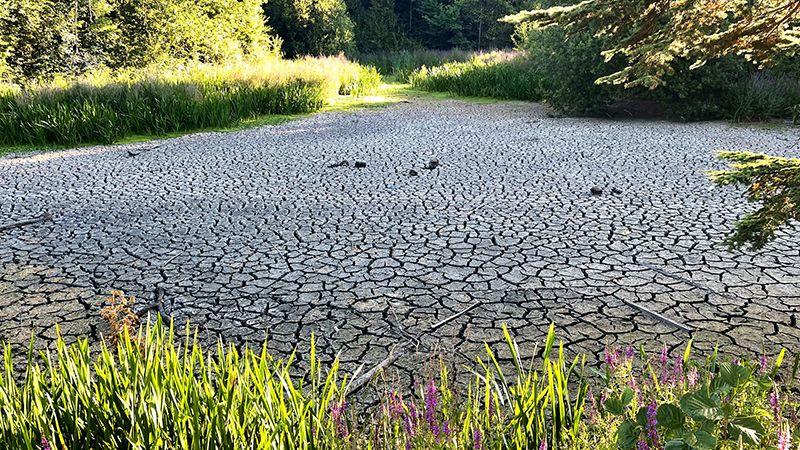
The warning follows a summer of record-breaking heatwaves across the UK, which highlighted the economic risks associated with climate change. According to the Climate Change Committee, the UK’s GDP could be between 1% and 5% lower annually by 2050, equivalent to around £60bn to £260bn a year, if global temperatures rise by 2 degrees C and no action is taken to adapt to climate change.
Bruce Howard, director of Ecosystems Knowledge Network, which organises the conference, said: “When our natural infrastructure stops functioning properly, businesses pay. Then we all pay. Transport and supply chains are disrupted, harvests are poor, and more homes and businesses are exposed to flooding and wildfire.
“This summer has shown how vulnerable our economy is to the deterioration of the natural systems on which it depends. Healthy soils, functioning rivers, restored peatlands and resilient landscapes are the bedrock of a strong economy. Unless we enable money to flow to restore them now, businesses and communities will face mounting costs and disruption.”
The Nature Finance UK Conference, which takes place in London on 12 November, is expected to bring together more than 500 representatives from the investment, corporate, government, land management and environmental sectors.
Now in its ninth year, the event will focus on mobilising private investment for nature restoration projects and developing investment models that can be scaled up across the UK.
It will also examine how nature-based investment can support corporate net-zero and biodiversity objectives while improving the resilience of businesses and local communities.
Read more: Today’s crises cannot derail tomorrow’s opportunities