




Like many, my views on the relative importance of defence were shaken by Russia’s full-scale invasion of Ukraine in 2022. Hosting a lovely Ukrainian family taught me we should have been paying attention sooner. On or before 2014 might have been good.
You won’t need me to share a list of horrors and growing geopolitical risks to illustrate further, so what I’d like to do here is to explore any parallels between the governments Strategic Defence Review (SDR) and defence in general – and the FCA’s Sustainability Disclosure Requirements (SDR, PS 23/16), beyond their initials.
These are, of course, unlikely bedfellows, but my sense is there are similarities, and exploring them might help build bridges between those who prioritise defence and those who prioritise climate.
Ethical funds
Starting with where ‘never the twain shall meet’ – ethical funds. The first ethical fund was launched in the US – for people who were opposed to the Vietnam War. The first UK funds were, to a large extent, built on Quaker and Methodist teachings, which are equally opposed to conflict – meaning ‘ethical funds’ are designed for people who do not want to invest in defence, among other things.
The sustainable funds that followed generally took a similar view, often citing the fact weapons kill, that wars are environmentally disastrous, and the (understandable) lack of transparency of weapons manufacturers poses additional investment risks. No sustainable fund wants to risk being associated with assets linked to human rights abuses.
Screened funds, such as these, also have to consider in-house business issues. Managers generally won’t know exactly why a client has chosen their fund, as this area is deeply intermediated, but they will know that for some, perhaps many, a defence screen will have influenced their decision to invest. So, in order to maintain trust – and avoid intermediaries having to contact clients’ – screens such as these rarely change.
The FCA’s SDR rules rightly takes no position on defence investment, and the regulator has clarified this. Regarding sustainability labelling, whether or not a defence company, or its suppliers, might be included within a fund that seeks ‘positive social or environmental outcomes’ is for the fund manager to decide, describe/disclose (with objectives and KPIs etc), and possibly – defend. It feels like quite a stretch to me. But not technically impossible. And, of course, adopting a label is optional, and sustainable and ethical options remain a relatively small cohort.
Beyond funds with longstanding commitments are other more nuanced options – such as ESG, tilted and responsible investment funds. These are also subject to SDR (all UK funds that mention sustainability issues are), and the requirement to be clear, fair and not misleading are universal. Their policies, ie where they draw the line on military involvement, will vary, as will their room to respond to market swings. Responses range from extensive screens, to more limited ‘controversial weapons’ exclusions, limiting and avoiding material ESG risks.
‘Secure at home, strong abroad’
So, what about defence? The UK’s Strategic Defence Review has the strapline ‘secure at home, strong abroad’ – which, whether you warm to listed entities in this area or not – is about protecting people – a ‘social issue’ – albeit not of the kind the FCA’s rules were intended to consider.
And there are other similarities. The risks that sit behind both are significant, urgent and frankly frightening.
Both require international cooperation in order to succeed. Sustainable development has the SDGs, climate strategies have the Paris Agreement, and defence has NATO – meaning the UK has a part to play, can lead or follow, but cannot expect to control all relevant outcomes.
Both also have the concepts of needing to transition and the future preparedness baked into them. In other words – they involve processes and planning, not quick fixes.
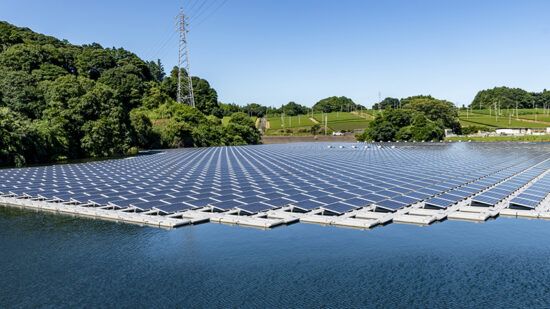
A further key area is energy. As well as reducing emissions, reducing our dependence on fossil fuels by expanding green infrastructure, improving energy efficiency and accelerating electrification – will continue to help bring down costs, guard against shocks and reduce our reliance on challenging regimes.
I am not pretending this is easy. There are media savvy, well-funded defenders of all sorts of ideas. However, stripped back to its basics the social implications of climate change and war are similar.
I probably don’t need to spell out where wars might take us, but the Institute of Actuaries Planetary Solvency Dashboard indicates an additional 800 million-plus deaths if temperatures increase by 2C degrees by 2050 – their mid-range scenario.
So, I suggest we should be more honest about the fact we face multiple threats. And that while it is vital that governments take the lead – eg with defence contracts and clear climate policies – investors have a part to play too, as companies need capital.